ID Match Extension is an addressability feature that enables Media Owners to extend existing cookie-syncing technology. By mapping cookie-based IDs to Universal IDs Universal IDs are IDs that Index can receive from data partners and pass to DSPs in the bid request. when a cookie is present, this feature helps to enhance the scale of addressability for both Media Owners and buyers.
The ID Match Extension feature has the following benefits:
Media Owners: Will see their bid requests enriched with a Universal ID in ad opportunities where only cookie-based identifiers are available, which increases ad revenue.
DSPs: Will see an increase in targetable bid requests for both the open market and private market.
Buyers: Will see more precise targeting, better audience reach, and improved campaign
A collection of multiple ads in different formats. effectiveness.
How does it work?
First, Index Exchange (Index) maps the association between the Index cookie identifier and a Universal ID.
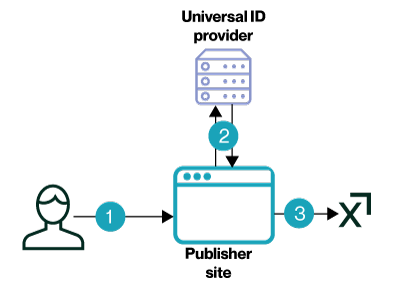
| A user visits an Index Media Owner partner site for the first time. An Index cookie is created for that user and an ad request is sent to Index. |
| Index makes a call to a Universal ID provider and matches the Index cookie ID to a Universal ID. |
| Index records this mapping to be used in future ad requests for that user on that site. |


After the mapping has occurred, bid requests that are sent to DSPs can be enriched with the mapped Universal ID.
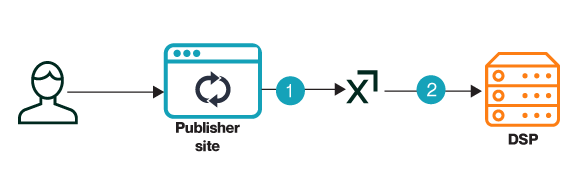
| A user returns to an Index Media Owner partner site and an ad request is sent to Index. |
| If a Universal ID has not already been included in the request from the Media Owners, Index enriches the request with the previously cookie-mapped Universal ID and sends the request to the DSP |
Index’s ID Match Extension feature is enabled automatically and traffic is fully compatible with local privacy laws.
